#8: imperfection as a human quality
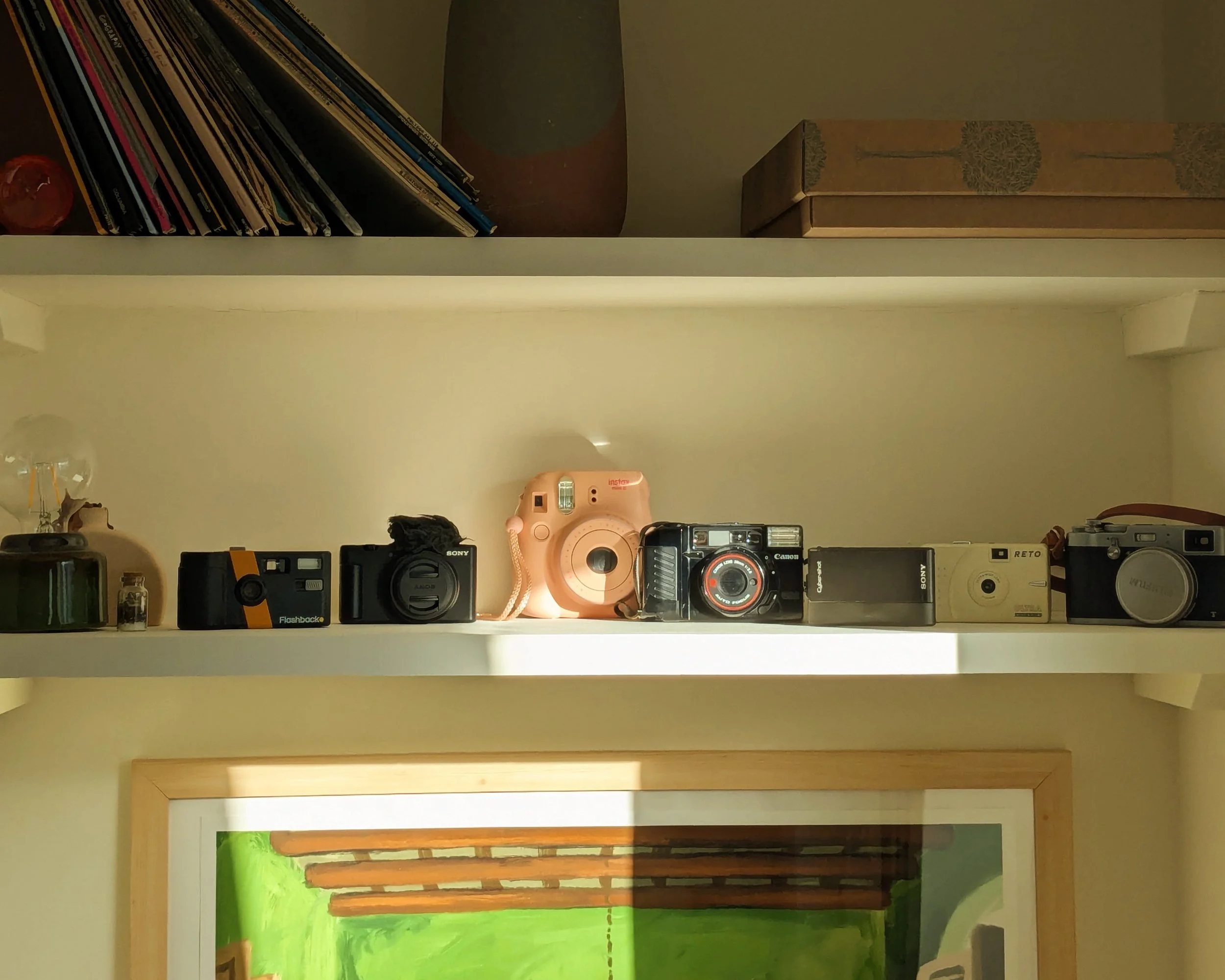
I was admiring this collection of cameras my partner and I have built over the years. It started with the Fujifilm x100t - our first ‘big’ purchase together when we were newly graduated and bonding over wanting to own a camera as pretty as this one. Since then, it has grown into a variety of digital and film cameras. The latest one I’ve been loving is the Sony Cybershot tx1 for that early 2000s digicam aesthetic.
It made me wonder why we prioritise taking photos on this over our phones, despite technology like magic eraser and the new ‘add me in’ feature, designed create a flawless photo in seconds. Maybe because in a time where generative AI is churning out perfect images everywhere you look, it is imperfection that makes us human. A slightly out of focus, off-centre photo taken on a camera brings me a lot more joy than a perfectly framed image with no disturbances.
I was listening to an episode of the Thoughts on Illustration podcast by Mr. Tom Froese called Embracing Handmade in your Work. He talks about returning to physical media in the age of artificial intelligence to create something that AI cannot, describing it as coming home to a handmade aesthetic. It is important, now more than ever, to let go of perfection and embrace the humanity in your work. He compares this to the reason why we enjoy listening to unplugged or live versions of music we like. Why bother creating this version when you already have the studio album which is perfectly produced to a high quality? There is a soulful, raw quality of an unplugged version of a song that makes it more human. The popularity of Coke Studio (especially in South Asia), BBC Live Lounge and Tiny Desk Concerts are all testaments to this.
This made me go on to think about why I love looking at artists’ sketchbooks, why a thrifted piece of furniture holds so much character, why secondhand books with broken spines and curled up pages have a charm to them that pristine books never do. The commonality in these is that they are all representative of a human having lived through them. It almost makes them vulnerable and it is that which draws you in. It is comforting to know that all we have to do is embrace this raw, natural quality and it’s something generative AI could never compete with.
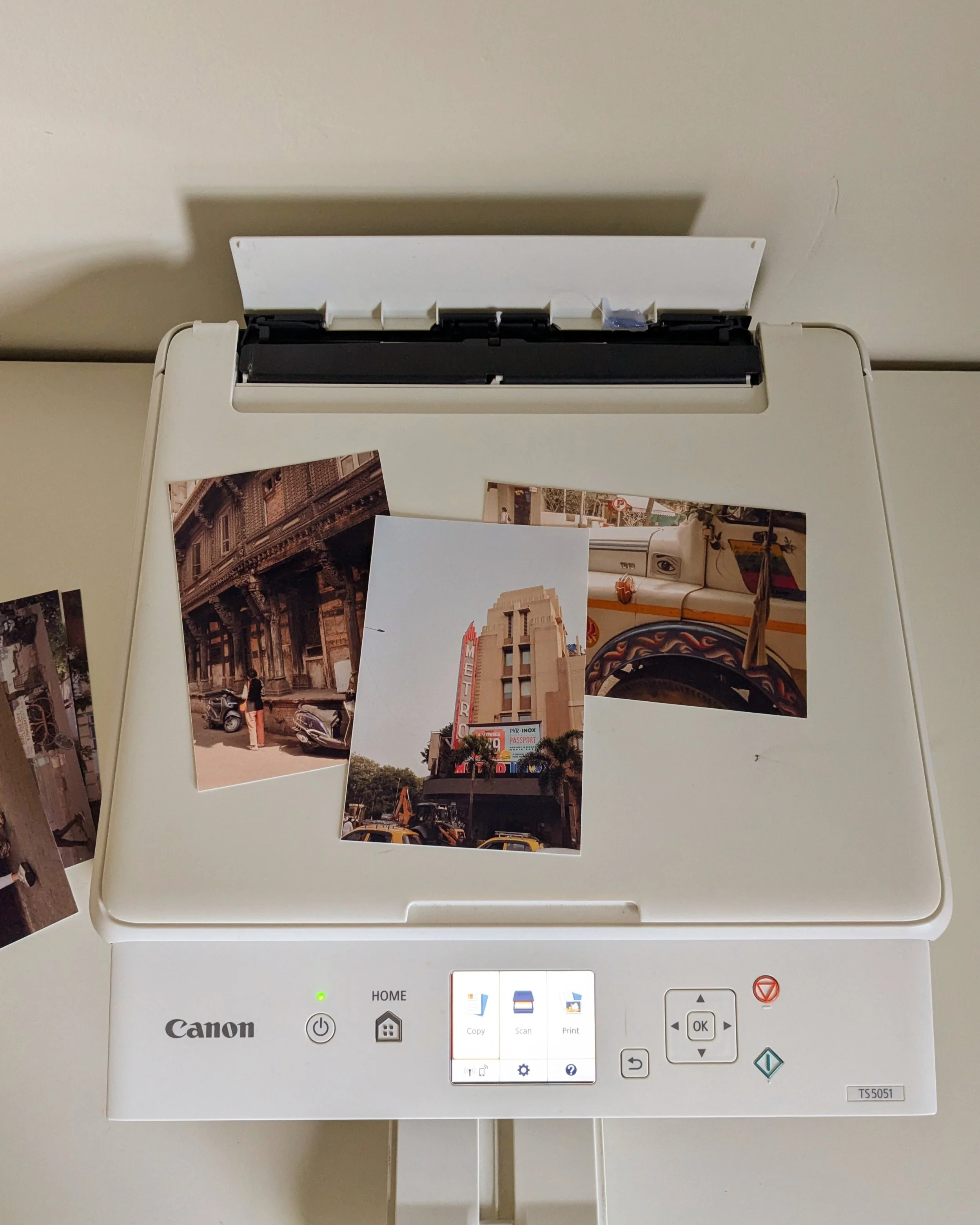
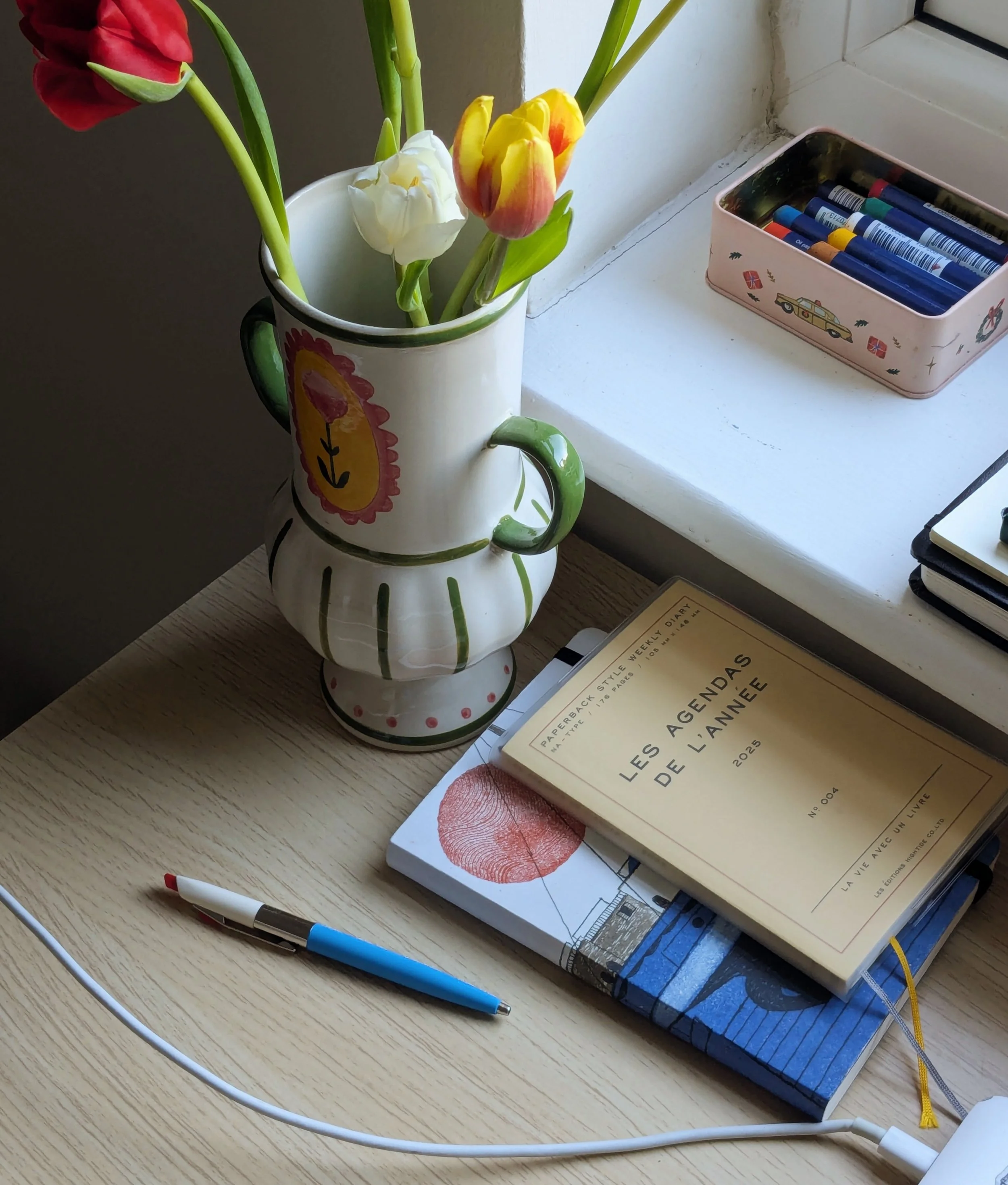
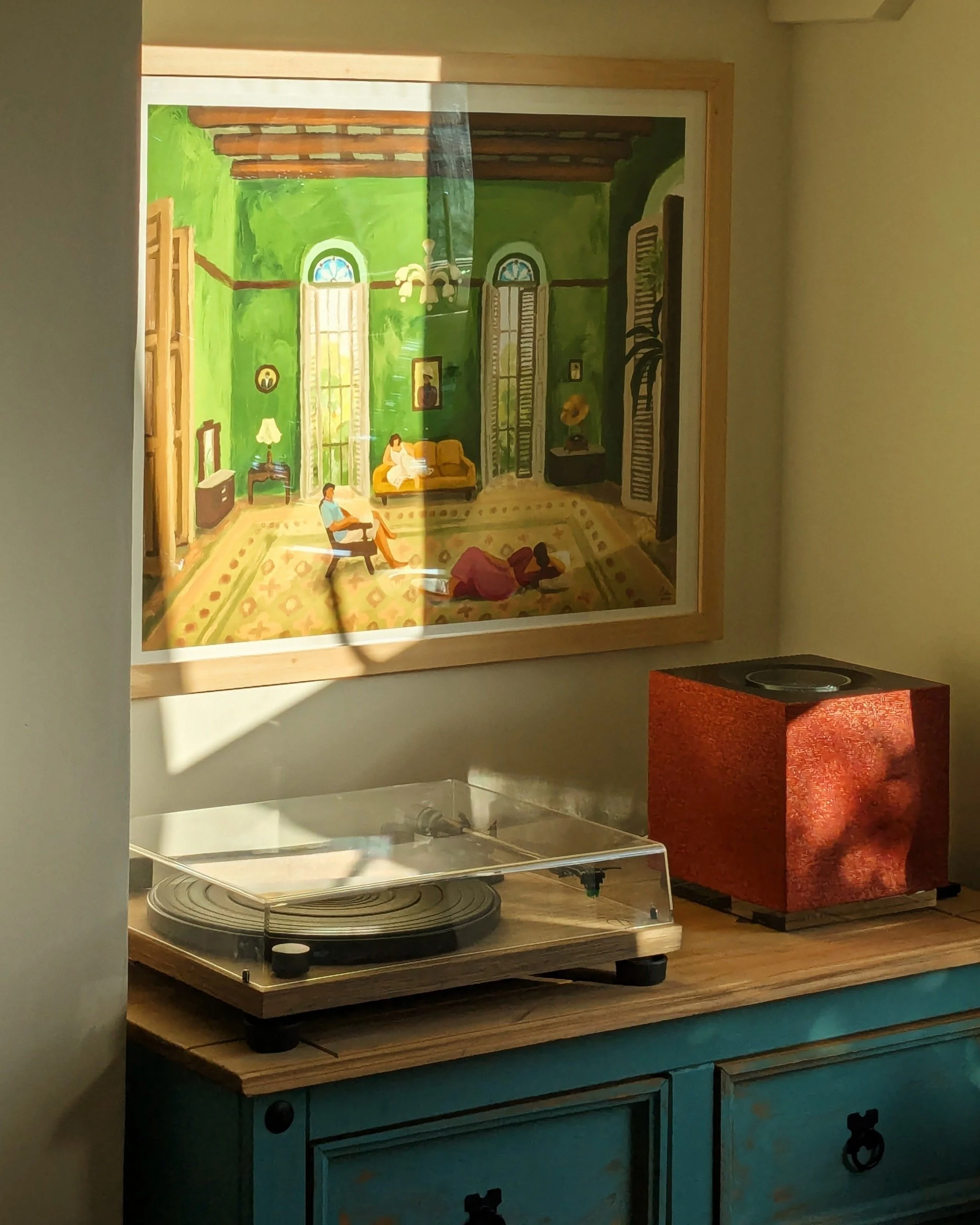
As a result of digital fatigue incorporating more analogue rituals has felt like a kind of homecoming. I have been reaching for traditional art supplies, collaging, printing out our film photos at home, listening to old thrifted records, using a physical yearly planner, writing down reminders and keeping up with my morning pages. None of these activities need to be done this way - there are faster, more efficient digital alternatives, and there’s nothing wrong with those. However there’s something intentional and meditative about doing them by hand. It slows time down in a way that makes it feel more valuable and maybe in a way, helps undo some of the damage done by screen time.
Sharing some wintery photos taken on the Sony Cybershot below 😌